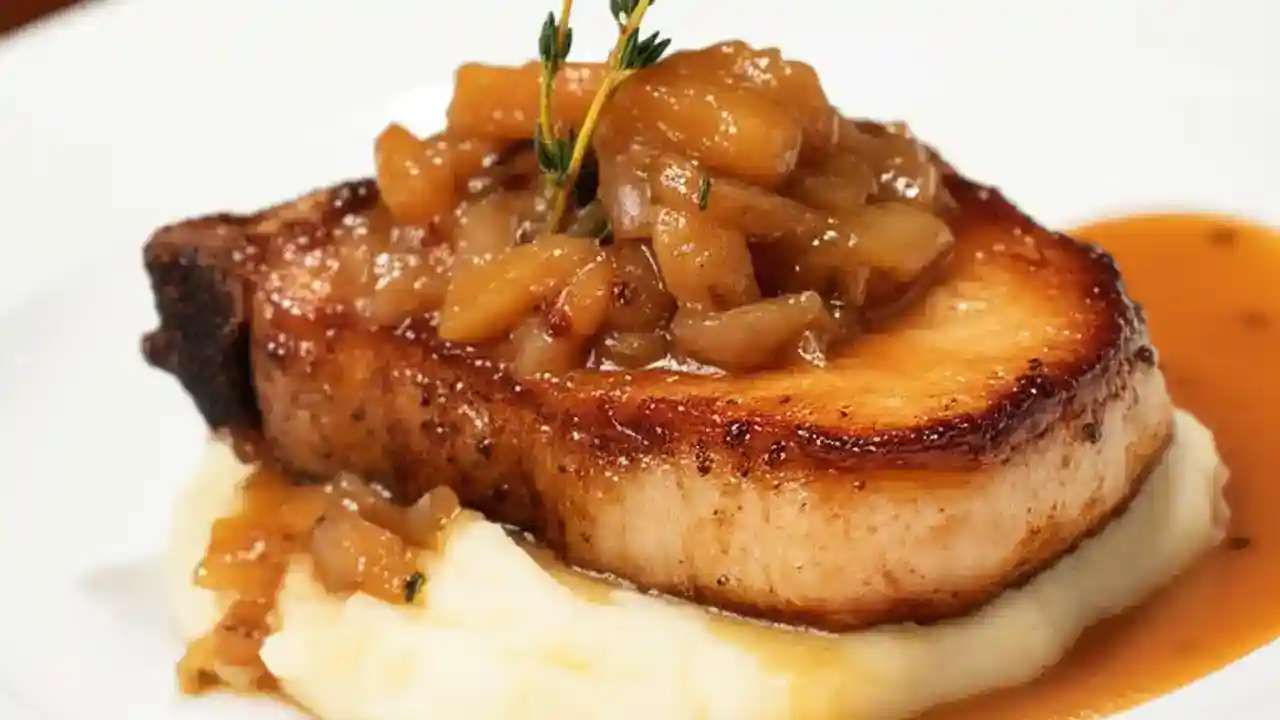
Prep Ahead Perfect Pork Gravy: Freeze for Stress-Free Meals
Imagine this: It’s the day of a big family dinner or a holiday feast. The aroma of roasting pork fills your home, the table is beautifully set, and your guests are ready to gather. Everything is in place, except for one crucial, last-minute component – the gravy. You find yourself frantically whisking over a hot stove, juggling pots, and desperately trying to create that perfect, lump-free accompaniment while everyone else is relaxing. Sound familiar?
For too long, gravy has been the culinary equivalent of a high-wire act, often left until the eleventh hour, relying on the fickle availability of pan drippings and a dash of kitchen wizardry under pressure. But what if we told you there’s a better way? A way to achieve rich, savory pork gravy that tastes like it was slow-simmered for hours, all without the day-of stress? Enter the magic of make-ahead pork gravy – and the ultimate secret weapon: your freezer.
This article will guide you through crafting an exceptional rich pork gravy without drippings that can be prepared weeks, or even months, in advance. We’ll explore the techniques that deliver unparalleled depth of flavor, the simple ingredients that make it shine, and the practical steps to freeze and reheat it flawlessly. Get ready to banish last-minute whisking woes and embrace truly stress-free entertaining.
The Culinary Breakthrough: Flavorful Gravy Beyond Pan Drippings
One of the biggest misconceptions about homemade gravy is that it absolutely *must* start with pan drippings from a freshly roasted joint of meat. While drippings certainly add flavor, they often bring unpredictability – varying amounts, sometimes too fatty, sometimes burnt. The real breakthrough in creating phenomenal make ahead pork gravy lies in building flavor from the ground up, ensuring consistent, delicious results every single time.
Building Depth with Roasted Pork Ribs or Bones
The secret to achieving profound savory notes without relying on post-roast drippings is to *create* your own flavorful base. This is where roasted pork ribs or bones come into play. By roasting these inexpensive cuts with aromatic vegetables like onions, carrots, and celery, you initiate the Maillard reaction – the glorious caramelization that develops complex, deep flavors and a beautiful golden-brown color. This step transforms simple bones into a rich foundation for your gravy broth, giving it a meaty intensity that rivals any drippings-based version. The bones themselves contain collagen, which, when simmered, breaks down into gelatin, contributing to a luxurious mouthfeel and body.
The Power of a Perfect Roux and Balancing Act
Once you have your deeply flavored broth, the next crucial component is the roux. A simple mixture of butter and all-purpose flour, cooked until it reaches a nutty, golden-brown hue, the roux is responsible for thickening the gravy and providing a smooth, lump-free texture. The key is to cook the roux long enough to eliminate any raw flour taste, but not so long that it burns.
But what truly elevates this gravy from simply "good" to "extraordinary" is a surprising, yet essential, ingredient: a splash of apple cider vinegar at the very end. This touch of acidity is a game-changer. It doesn't make the gravy taste vinegary; instead, it acts as a bright counterpoint to the richness, awakening and balancing all the savory flavors. It's like a secret ingredient that makes the gravy taste even more complex and "perfected" than it actually is, cutting through the richness and making each spoonful feel fresh and vibrant. You won't find cream or tomato paste here, just pure, balanced flavor.
Mastering the Make-Ahead Process: Step-by-Step for Success
Creating this magnificent make ahead pork gravy is surprisingly straightforward, involving a few key steps that can be tackled in advance, giving you ultimate control and peace of mind.
Gather Your Ingredients: Quality Matters
- Pork Bones or Ribs: Approximately 2-3 pounds. These are often inexpensive and packed with flavor potential.
- Aromatic Vegetables: Onions, carrots, celery (mirepoix) – roughly chopped for roasting and simmering.
- Herbs & Spices: Fresh thyme sprigs, bay leaves, whole black peppercorns, rubbed sage, garlic powder, kosher salt.
- Stock: High-quality chicken stock or even homemade vegetable stock works beautifully.
- Fats & Thickeners: Unsalted butter and all-purpose flour (or a gluten-free alternative like rice flour or arrowroot/tapioca starch).
- The Secret Weapon: Apple cider vinegar.
The Roasting and Simmering Phase: Building the Broth
- Roast the Pork and Aromatics: Preheat your oven to a high temperature (around 400-425°F or 200-220°C). Toss the pork ribs/bones and chopped vegetables with a little oil and spread them on a baking sheet. Roast for 30-45 minutes, or until deeply caramelized and browned. This step is critical for flavor development.
- Simmer for Depth: Transfer the roasted bones and vegetables to a large pot. Deglaze the roasting pan with a splash of stock or water, scraping up all the flavorful bits, and add to the pot. Cover with the remaining stock, ensuring everything is submerged. Add fresh herbs (thyme, bay leaf) and peppercorns. Bring to a boil, then reduce heat to a gentle simmer. Cook for at least 2-3 hours, or even longer (up to 4-6 hours), allowing the flavors to meld and deepen. Skim off any impurities that rise to the surface.
- Strain the Broth: Once simmered, carefully strain the broth through a fine-mesh sieve, pressing on the solids to extract every last drop of flavor. Discard the solids. You should be left with a rich, aromatic pork broth.
Creating the Gravy: The Roux and Finishing Touches
- Make the Roux: In a large saucepan or Dutch oven, melt the butter over medium heat. Once melted, gradually whisk in the flour, creating a smooth paste. Continue to cook, whisking constantly, for 5-7 minutes until the roux turns a light golden brown and smells nutty. This cooks out the raw flour taste.
- Whisk in the Broth: Gradually add the strained pork broth to the roux, whisking continuously to prevent lumps. Start with a small amount of broth to create a smooth paste, then slowly add the rest. Bring the mixture to a gentle simmer, allowing it to thicken. Continue to simmer for 10-15 minutes, whisking occasionally, until the gravy reaches your desired consistency.
- Season and Finish: Stir in the dried sage, garlic powder, and season generously with kosher salt to taste. Now for the secret ingredient: add a small splash of apple cider vinegar (start with 1-2 teaspoons and adjust to your preference). Whisk it in, and taste. You'll notice a subtle brightness that elevates all the other flavors.
Your magnificent make ahead pork gravy is now complete!
Freezing and Reheating: Your Ultimate Time-Saving Hack
This is where the true beauty of make ahead pork gravy shines. Preparing it in advance and freezing it ensures you have a gourmet condiment ready whenever you need it, eliminating last-minute kitchen stress.
Proper Freezing Techniques
- Cool Completely: Before freezing, it is absolutely essential to allow the gravy to cool down completely to room temperature. Transferring hot gravy directly to the freezer can negatively impact its texture and flavor, and also raise the temperature of your freezer, potentially affecting other frozen items.
- Portion for Convenience: Decide how you'll use your gravy. For holiday meals, you might freeze larger batches. For everyday use, consider freezing in smaller, individual portions (e.g., ½ cup or 1 cup). Ice cube trays are fantastic for freezing small amounts that can be popped out and reheated for a single serving.
- Choose the Right Containers: Use airtight, freezer-safe containers or heavy-duty freezer bags. If using bags, lay them flat for more efficient storage once filled. Leave a little headspace (about half an inch) in containers to allow for expansion during freezing.
- Label and Date: Always label your containers with the contents ("Pork Gravy") and the date it was frozen. This helps you keep track of its freshness.
Your pork gravy can be safely frozen for up to six months without significant loss of quality. Imagine having homemade gravy on hand all season long!
Flawless Thawing and Reheating
- Thaw Overnight: The best way to thaw frozen gravy is slowly, in the refrigerator overnight. For smaller portions, a few hours might suffice. Avoid thawing at room temperature for food safety reasons.
- Gentle Reheating: Transfer the thawed gravy to a saucepan and reheat gently over low to medium-low heat on the stovetop.
- Whisk to Restore: Gravy can sometimes separate slightly or become a bit thick after freezing and thawing. As it warms, whisk it vigorously to bring it back together into a smooth, emulsified consistency.
- Adjust Consistency: If the gravy is too thick for your liking, whisk in a splash of warm chicken stock, water, or even a little milk, until it reaches your desired pourable consistency. If it's too thin, you can simmer it gently to reduce, or whisk in a slurry of cornstarch and cold water (1 tsp cornstarch mixed with 1 tsp cold water) and simmer for a minute or two until thickened.
- Taste and Adjust Seasoning: Always give the gravy a final taste and adjust the seasoning (salt, pepper, perhaps another tiny drop of ACV) before serving.
Beyond the Holiday Table: Versatility and Variations
While this make ahead pork gravy is a showstopper for Thanksgiving, Christmas, or any holiday gathering, its versatility extends far beyond special occasions. With a batch tucked away in your freezer, you can elevate everyday meals with minimal effort.
- Roasted Meats: Perfect with roasted pork loin, grilled pork chops, or even roast chicken.
- Comfort Food Classics: Absolutely essential for mashed potatoes, stuffing, and hot open-faced sandwiches.
- Weekday Wonders: Drizzle over meatloaf, sausages, or even baked potatoes for an instant upgrade.
Creative Flavor Twists
Once you've mastered the base recipe, feel free to experiment and customize your gravy:
- Mushroom Medley: Sauté sliced mushrooms (cremini, shiitake) and add them to the gravy during the last 5 minutes of simmering for an earthy boost.
- Herbaceous Harmony: Experiment with different fresh herbs like rosemary or sage added to the simmering broth or a pinch of dried herbs stirred into the finished gravy.
- A Touch of Smoke: For a deeper, smoky flavor, consider adding a tiny pinch of smoked paprika or a drop of liquid smoke (use sparingly!) to the broth.
- Wine Enhancement: A splash of dry white wine or even a robust red wine can be deglazed with the roasted bones before adding stock for an extra layer of complexity.
Making gravy in advance not only takes a cumbersome job off your plate on the day of hosting but also tastes every bit as delicious as a freshly-made version. With this comprehensive guide to make ahead pork gravy, you're not just making a sauce; you're investing in stress-free enjoyment and unforgettable meals.
Embrace the freedom of make ahead pork gravy. The rich, savory flavor, the smooth, lump-free texture, and the sheer convenience will transform your meal prep and elevate your dining experiences. Say goodbye to last-minute gravy panic and hello to perfectly poised, stress-free entertaining, knowing that a batch of homemade deliciousness is always at your fingertips.
